
Ecology is not a subject taught but a value lived
Children learn through experience that protecting nature is not a duty but a natural part of life. Our approach to ecological living is built on the foundations of awareness, responsibility and sustainability.

Producing comes before consuming
Children take part in sowing, tending and harvesting in the school vegetable garden, and enjoy the happiness of eating fruit straight from the branch in the food forest. Seeing how vegetables and fruit grow helps them understand the value of effort.
The food forest, created with permaculture principles, and the biodynamic garden allow students to move from being consumers to being producers.


Responsibilityin daily life
Compost and waste awareness
Organic waste is sorted, composted and returned to the soil; leftover food is shared with our animal friends.
Solar energy
The school meets its electricity needs from the sun with photovoltaic panels.
Water saving
Photocell taps that generate their own energy save 234 tonnes of water a year.
Respect for living things
Caring for the animals in the chicken and duck coop teaches responsibility, empathy and the life cycle.

Sustainable habits
Ecological awareness develops not through one-off events but through daily practice: healthy eating, seasonal produce, simple consumption and a culture of sharing turn into habits carried for life.
Ecology and sustainability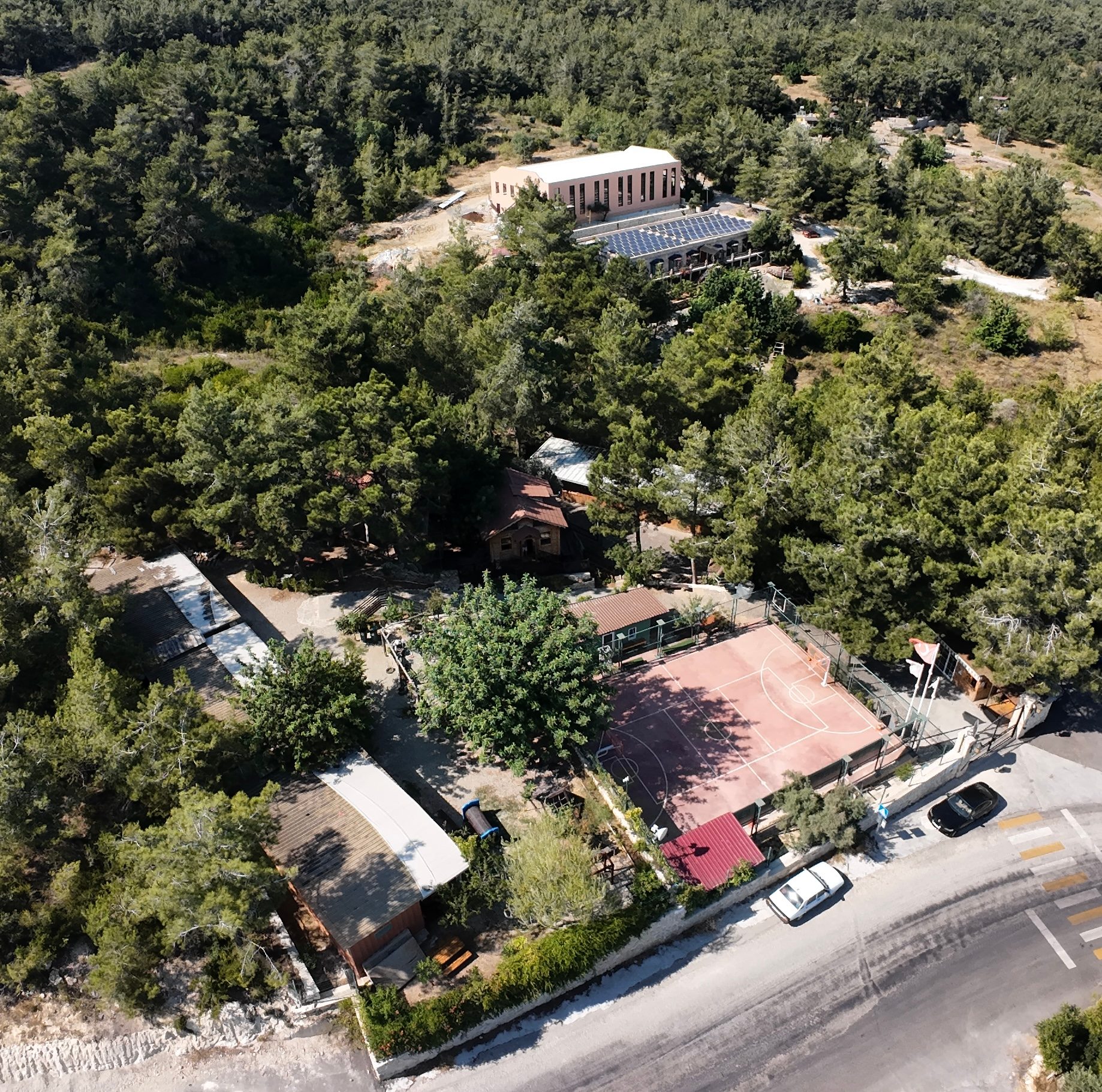
Community projects: Charity, solidarity and environmental projects that students take part in will be announced on this page as they are shared by the school.