

Nature is both a learning environment and a teacher
Our students continue their lessons not only in the classroom but also in the garden, in the outdoor classrooms and in the neighbouring forest. Linking knowledge to real life makes learning lasting.
With this approach, children learn to observe, ask questions, build cause-and-effect relationships and connect what they learn with daily life. The bond formed with nature raises environmental awareness while also strengthening intrinsic motivation to learn.

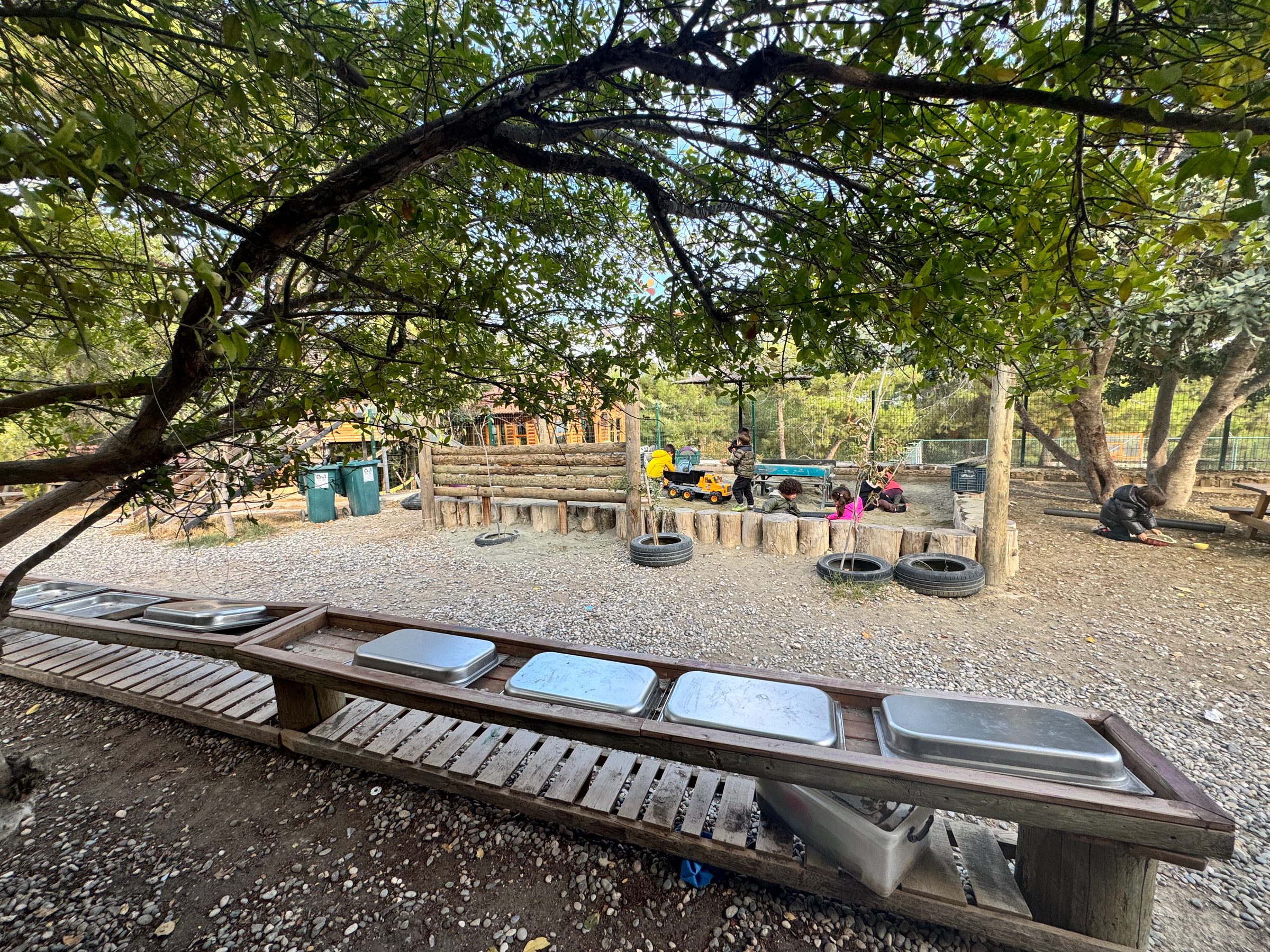
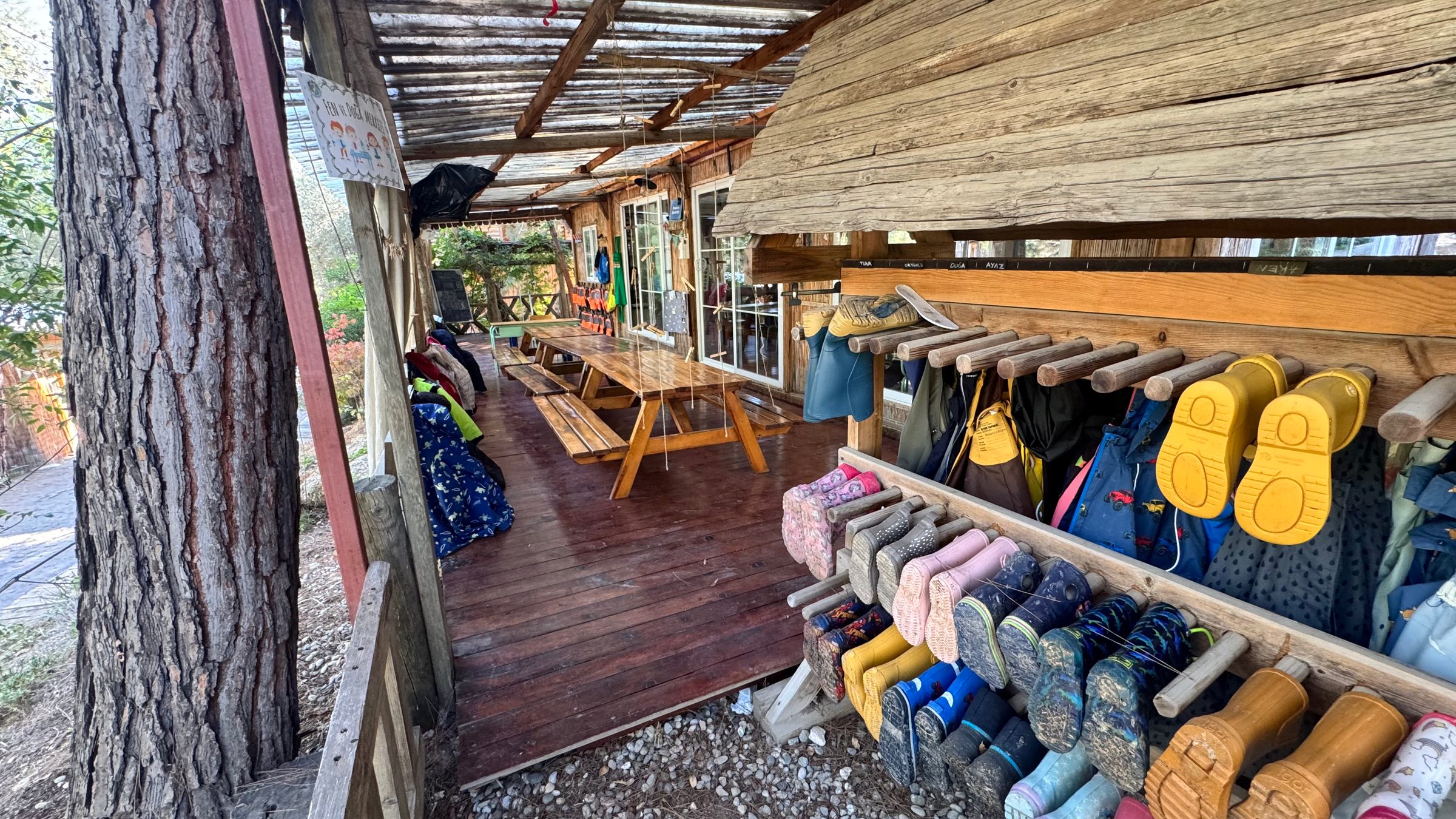
Outdoor spaces and learning environments
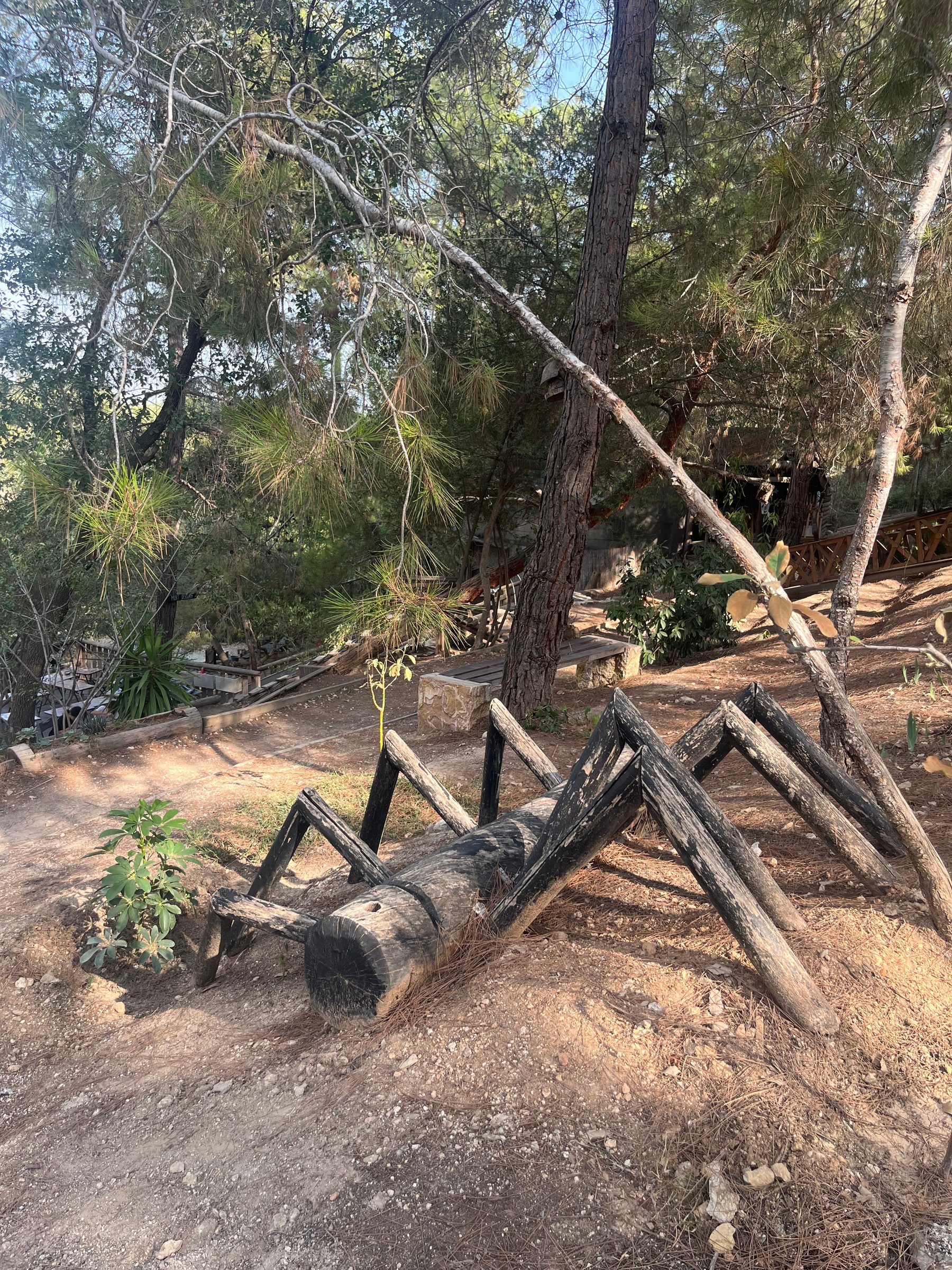
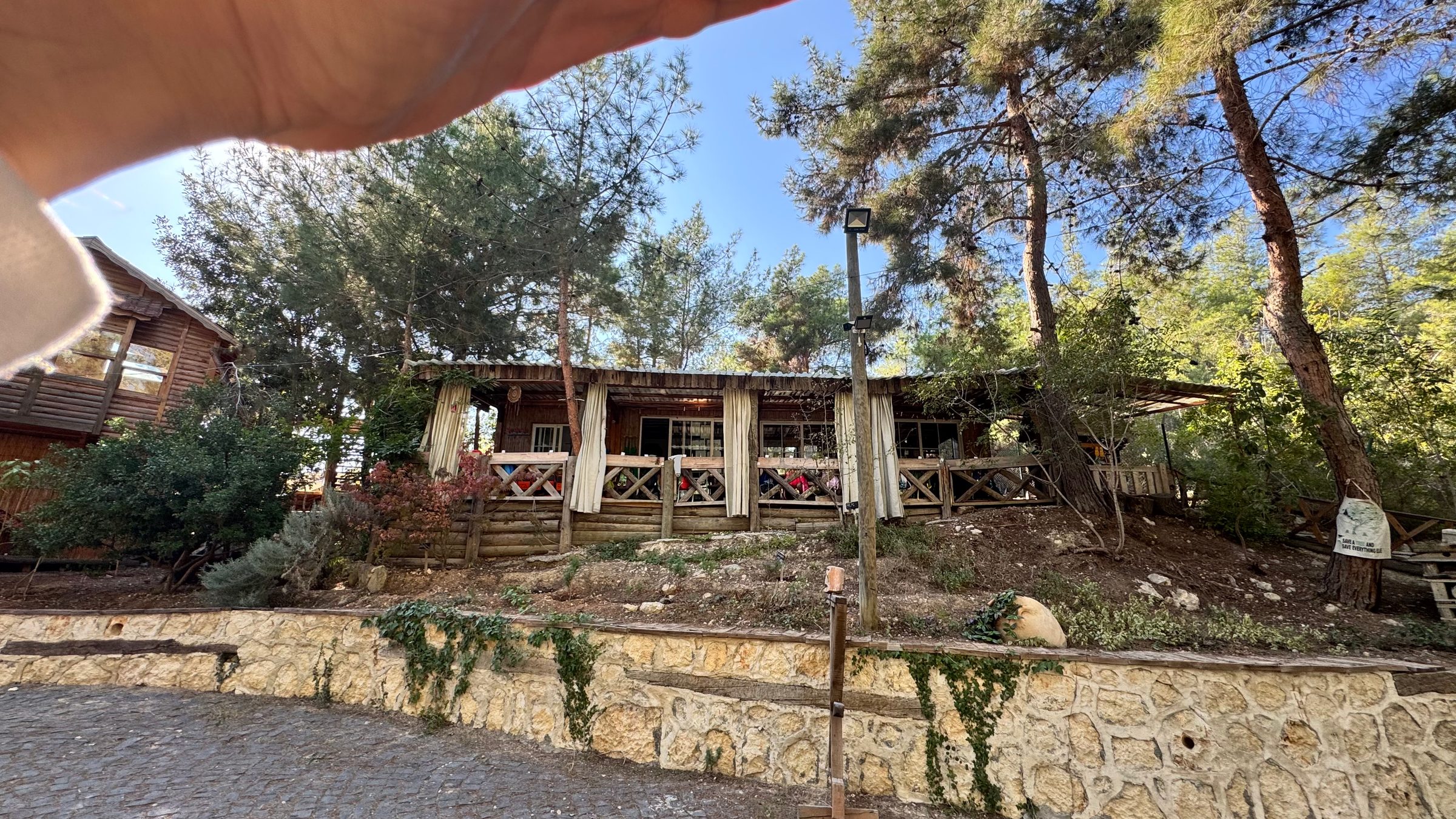
Our campus is designed to allow free learning both indoors and outdoors. Outdoor classrooms and natural settings support the continuity and depth of learning.
- Garden and outdoor classrooms
- The neighbouring forest area
- Subject classrooms on the campus
Risk-BasedLearning
In the forest school approach, risks are not removed entirely; they are managed. By observing the nature of a risk, the child learns to approach and manage it. The aim is not to create danger but, instead of “protecting” the child, to “set them free safely”.
- A risk–benefit analysis is carried out for every activity.
- Teachers continuously scan the environment and make dynamic risk assessments.
- Group management is applied in which children look out for one another and the teacher watches the group as a whole.
- The risk analysis and learning outcome of every activity are shared transparently with families.
For more detailed information, you can read our Forest School page.
Our neighbour: the forest
Our campus lies at the edge of a pine forest; the garden and the forest area are both learning environments.

Outdoor education and development
Outdoor education helps to improve focus, reduce stress, increase physical activity and fitness, and support students' motivation and participation. Flexible environments also make teachers more responsive to children's interests.
Workshops and clubs